How to Use Marvel Rivals Twitch Clips to Improve Your Gameplay
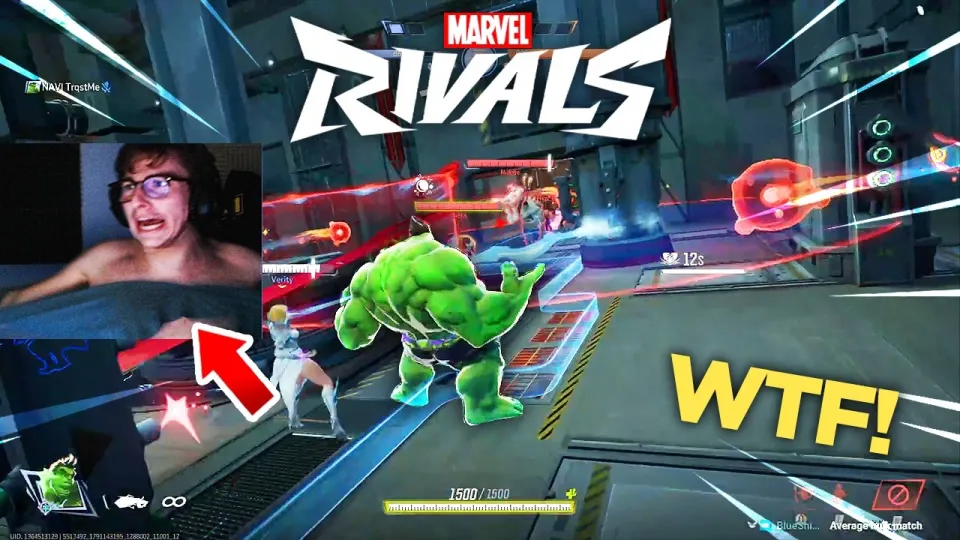
Video: Marvel Rivals MOST VIEWED Twitch Clips of The Week! #86
Want articles like this for your own video to promote it on YouTube and Google? Order them through the Telegram bot @sat_sit_bot. It writes articles around your video, embeds the video and publishes them on popular niche websites (no ads). Free trial — 50 articles.
Key takeaways
- Weekly Twitch clip compilations from channels like Rivals Guides showcase high-level Marvel Rivals plays and common mistakes.
- Watching clips with intent—pausing to analyze positioning and cooldown usage—turns entertainment into actionable improvement.
- Pros make errors too; recognizing lowlights helps you avoid blaming teammates and focus on your own decisions.
- Understanding hero counters (e.g., Loki's healing lamp vs. Psylocke's ultimate) is key to winning team fights.
- Use code "GUIDES" for 10% off Gamer Supps at https://gamersupps.gg/GUIDES.
Marvel Rivals Twitch clips are short, high-impact moments from live streams that show both spectacular plays and costly mistakes. To use them for improvement, watch with a specific goal: pause before key decisions, identify the player's positioning and cooldown usage, and note what you would do differently. This approach turns passive viewing into active learning, helping you climb ranks faster than simply grinding matches.
Why Marvel Rivals Twitch Clips Are More Than Entertainment
Twitch clips distill hours of gameplay into highlight-reel moments, but their real value lies in the patterns they reveal. A clutch ultimate or a failed dive both expose decision-making that you can study. For example, a clip might show a Wolverine player landing a perfect ultimate by waiting for the enemy support to use their escape tool. By breaking down such moments, you learn to recognize similar opportunities in your own games. Additionally, clips often feature off-meta picks or unconventional strategies that can surprise opponents. The key is to watch actively: ask why the player succeeded or failed, and how their team's composition enabled the play. Over time, this builds a mental library of scenarios you can draw from during matches.
How to Analyze Clips Like a Coach
Treat each clip as a coaching session. Follow these steps to extract maximum value:
- Identify the objective – Was the clip about securing a kill, defending a point, or initiating a team fight? Knowing the goal helps you evaluate the decision.
- Track cooldowns – Note which abilities were used before the key moment. A Psylocke ultimate that fails because Loki's healing lamp was available teaches you to track enemy cooldowns.
- Observe positioning – Where was the player standing? Were they exposed or using cover? Good positioning often precedes successful plays.
- Consider team synergy – Did the play rely on a teammate's setup? Understanding combos helps you coordinate better in your own matches.
- Note the outcome – Even failed plays are instructive. Ask what could have been done differently, such as retreating earlier or choosing a different target.
- By applying these steps, you transform passive watching into a structured learning process.
Common Mistakes Shown in Clips and How to Avoid Them
Many clips highlight errors that are easy to replicate if you're not mindful. One frequent mistake is overcommitting to an ultimate without accounting for enemy counter-play. For instance, using Psylocke's ultimate on a point defended by Peni Parker's nest and Loki's healing lamp often results in wasted energy. Another common error is tunnel-visioning on a single target while ignoring the larger team fight. Clips often show players chasing kills while their team loses the objective. To avoid this, regularly check your surroundings and prioritize objectives over eliminations. Finally, poor ultimate timing—such as using a defensive ultimate offensively—can swing a fight in the enemy's favor. By recognizing these pitfalls in clips, you can train yourself to pause and assess before committing.
What Viewers Misunderstand About Pro Plays
Viewers sometimes misinterpret clips, assuming a play was flawless when it was actually a calculated risk or even a mistake. For example, a player might complain about an enemy's invisibility while themselves using invisibility to escape—hypocrisy that highlights the importance of self-awareness. Another misconception is that professional players never make errors. In reality, even top streamers have lowlights, such as falling off the map repeatedly or misusing ultimates. Recognizing that pros are human helps you avoid idolizing them and instead focus on learning from both their successes and failures. Additionally, clips are often taken out of context; a play that looks genius might have been a lucky accident. Always consider the broader game state and team communication that led to the moment.
Using Clips to Improve Your Hero Pool
Marvel Rivals features a diverse roster, and clips can help you expand your hero pool effectively. Start by selecting clips featuring heroes you want to learn. Watch how experienced players manage their abilities, when they engage, and how they position themselves. For example, if you want to master a dive hero, study clips of successful dives and note the timing relative to enemy cooldowns. Then, practice those patterns in quick matches. Additionally, pay attention to how players adapt to different team compositions. A clip might show a hero being countered, teaching you when to switch. By systematically studying clips for each hero, you build a well-rounded skill set and become more flexible in ranked play.
Practical Tips for Integrating Clip Study into Your Routine
To get the most out of clip analysis, incorporate it into your regular practice. Set aside 15–20 minutes before playing to watch a few clips with a specific focus, such as ultimate usage or positioning. Take notes on key takeaways and review them before your next session. After matches, compare your decisions to those in the clips—did you make similar mistakes or capitalize on similar opportunities? Over time, this reflective practice accelerates improvement. Also, don't just watch highlight reels; seek out full-game commentaries or educational streams to understand the context behind the clips. Remember that improvement comes from consistent, deliberate practice, and clips are just one tool in your arsenal.
Useful Links
- Gamer Supps – 10% off with code "GUIDES"
- Rivals Guides on X (Twitter)
- Rivals Guides on TikTok
- Rivals Guides on Instagram
Final Thoughts
Watching Marvel Rivals Twitch clips can be a powerful way to learn if you approach them with intention. By analyzing positioning, cooldowns, and decision-making, you can turn entertainment into tangible improvement. The weekly compilations from Rivals Guides offer a concentrated dose of high-level plays and common pitfalls, making them an excellent resource for players of all ranks. Remember to watch actively, take notes, and apply what you learn in your own matches. For a boost during your grind, don't forget to use code "GUIDES" for 10% off Gamer Supps at https://gamersupps.gg/GUIDES.
Source: Marvel Rivals MOST VIEWED Twitch Clips of The Week! #86 · Markdown version
Questions & answers
How can watching Twitch clips actually help me improve at Marvel Rivals?
Clips provide condensed examples of high-level decision-making and common mistakes. By pausing to analyze positioning, cooldown usage, and team synergy, you can identify patterns to apply in your own games. Active analysis, rather than passive viewing, is key to turning clips into improvement.
Are professional players always making the right plays in these clips?
No, even pros make errors. Clips often show lowlights like missed ultimates or poor positioning. Recognizing that professionals are human helps you learn from their mistakes as well as their successes, and avoids unrealistic expectations.
Why do some ultimates, like Psylocke's, seem to fail in clips?
Ultimates can be countered by specific abilities, such as Loki's healing lamp or Peni Parker's nest. Clips often highlight situations where players use ultimates without accounting for enemy counter-play. Learning to track these cooldowns will help you time your ultimates more effectively.
What is the best way to study clips for a specific hero?
Focus on clips featuring the hero you want to learn. Note how experienced players manage abilities, when they engage, and how they adapt to different compositions. Then practice those patterns in quick matches, and review your own gameplay to compare decisions.